Lesser dependence on the US dollar in international payments was a major topic at the recent council meeting of the Shanghai Cooperation Organization, chaired by Chinese Premier Xi Jinping. Alongside efforts by some central banks to reduce their dollar reserves, this points to a possible further weakening of the greenback’s status and exchange rate. The expected US Federal Reserve (Fed) rate cut in September – hopefully data-driven rather than politically motivated – could reinforce this trend, as it will narrow the interest rate differential between the US and other major currencies. A loss of Fed independence would of course have even more disturbing consequences, not only for the US dollar but also for the global financial system at large.
Anecdotal evidence shows that Saudi Arabia is now willing to accept oil sale proceeds in currencies other than the US dollar. It is thus no surprise that Middle East nations, but also large BRICS countries such as India and China, are increasingly inclined to circumvent the US Office of Foreign Assets Control (OFAC) by no longer making international payments in US dollar whenever possible. Their monetary authorities are also actively converting USD reserves into gold (now the second largest asset of several central banks), certainly an important factor in the precious metal’s strong year-to-date performance.
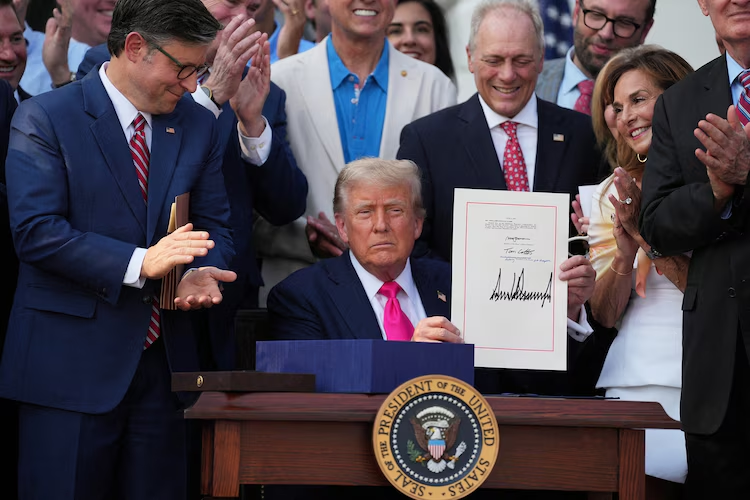
Also supporting the gold price have no doubt been worries regarding the longer term inflation outlook – in the US and elsewhere. Such concerns stem naturally from the explosive rise in government debt and are also reflected in the currently higher interest rates on long-dated sovereign bonds. This is a thorn in the side of President Trump, who is determined to see lower interest rates and therefore putting enormous pressure on Fed Chairman Jerome Powell to cut the policy rate. The latest example being the criminal investigation launched by the US Department of Justice (at Donald Trump’s request) against Fed Governor Lisa Cook – as part of the US President’s efforts to gain control of the majority in the Federal Open Market Committee (FOMC) that sets interest rates. This has not yet proved successful, and we can only imagine what would happen to the US dollar should President Trump manage to reignite the US money printing press in order to finance his budget deficits.
Concurrently, the deployment of the National Guard in large Democrat-controlled US cities and the renaming of the US Department of Defense as “Department of War” are clearly alarming. This not only goes against Trump campaign promises of lesser militarisation, but it also highlights how fast the new administration is moving and what little attention it pays to the country’s historical institutional framework. The Founding Fathers of the US are probably turning (once again) in their graves…
Thankfully, the US courts, as ultimate guardians of the rule of law, have begun to intervene at various levels. But the judicial process is slow and, through government appeals, the pending cases will eventually end up in the Supreme Court – whose composition has been largely shaped by Donald Trump himself. On the pressing issue of import tariffs, and more specifically the question of whether it was legal for the President to invoke national emergency as a justification for bypassing Congress, we can only hope that the Supreme Court Justices will take their decision on the basis of law, not political obedience. Such decision is expected, at the earliest, during the second part of November.
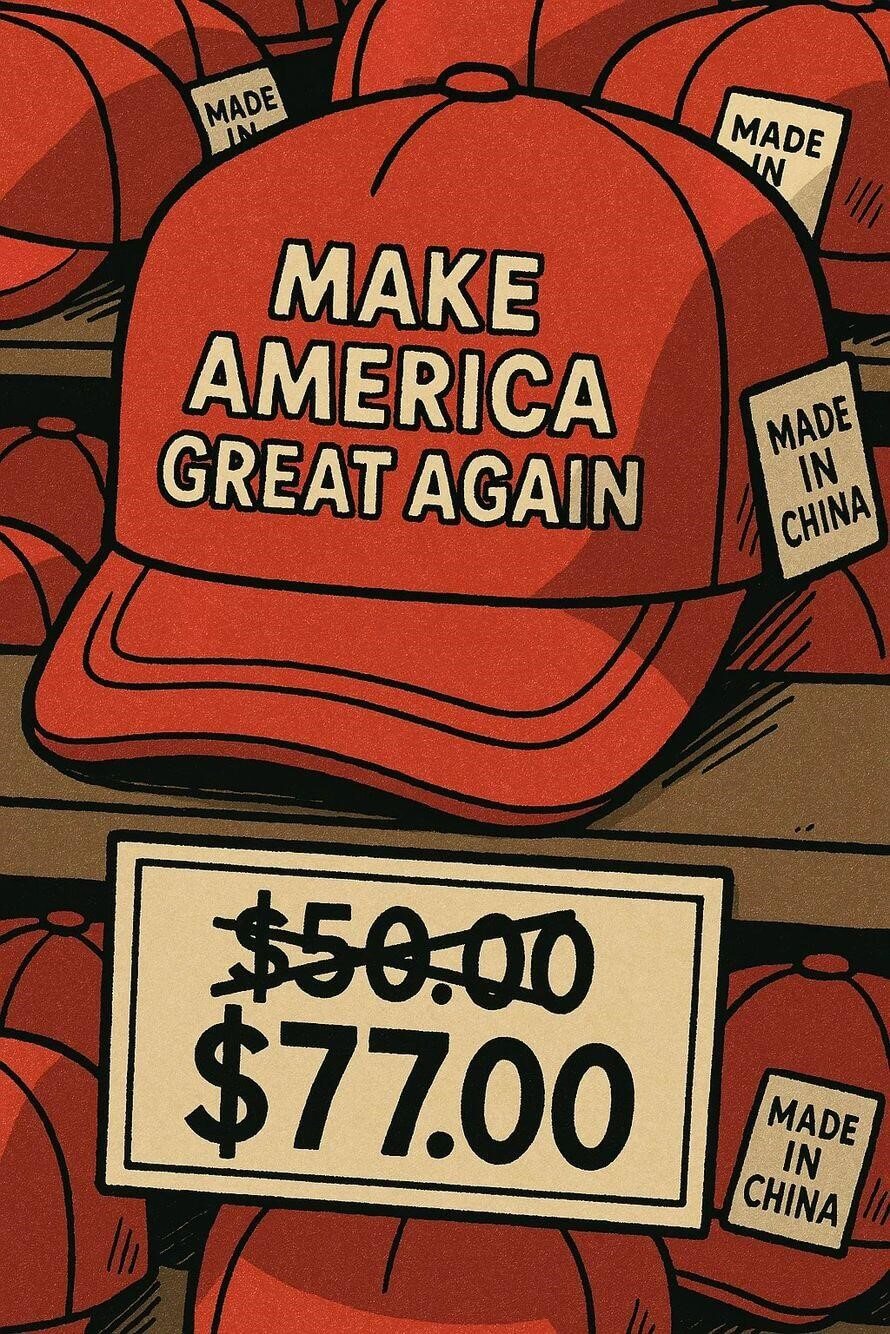
The US stock market, meanwhile, continues to perform quite well, seemingly unrattled by the domestic political and economic situation, nor by international geopolitics. Generally better-than-expected second quarter earnings reports certainly helped maintain the market uptrend and investor confidence during the summer. Paradoxically, these results were boosted by import tariffs: many companies took anticipatory measures to avoid facing the expected sharp price increases, and the same was true for consumers (as evidenced in particular by the solid quarterly figures released by large retailers). A backlash in the third quarter is very likely though, with import duties starting to squeeze both corporate margins and consumer demand. Still, the worst aspect of tariffs is not this one-off impact on economic activity, in our view. We worry more about postponed investment decisions, as company managements await greater clarity regarding future tariff levels. Which is somewhat paradoxical, given that President Trump’s main goal (in erecting high barriers to imports) was to build new production capacity in the US.
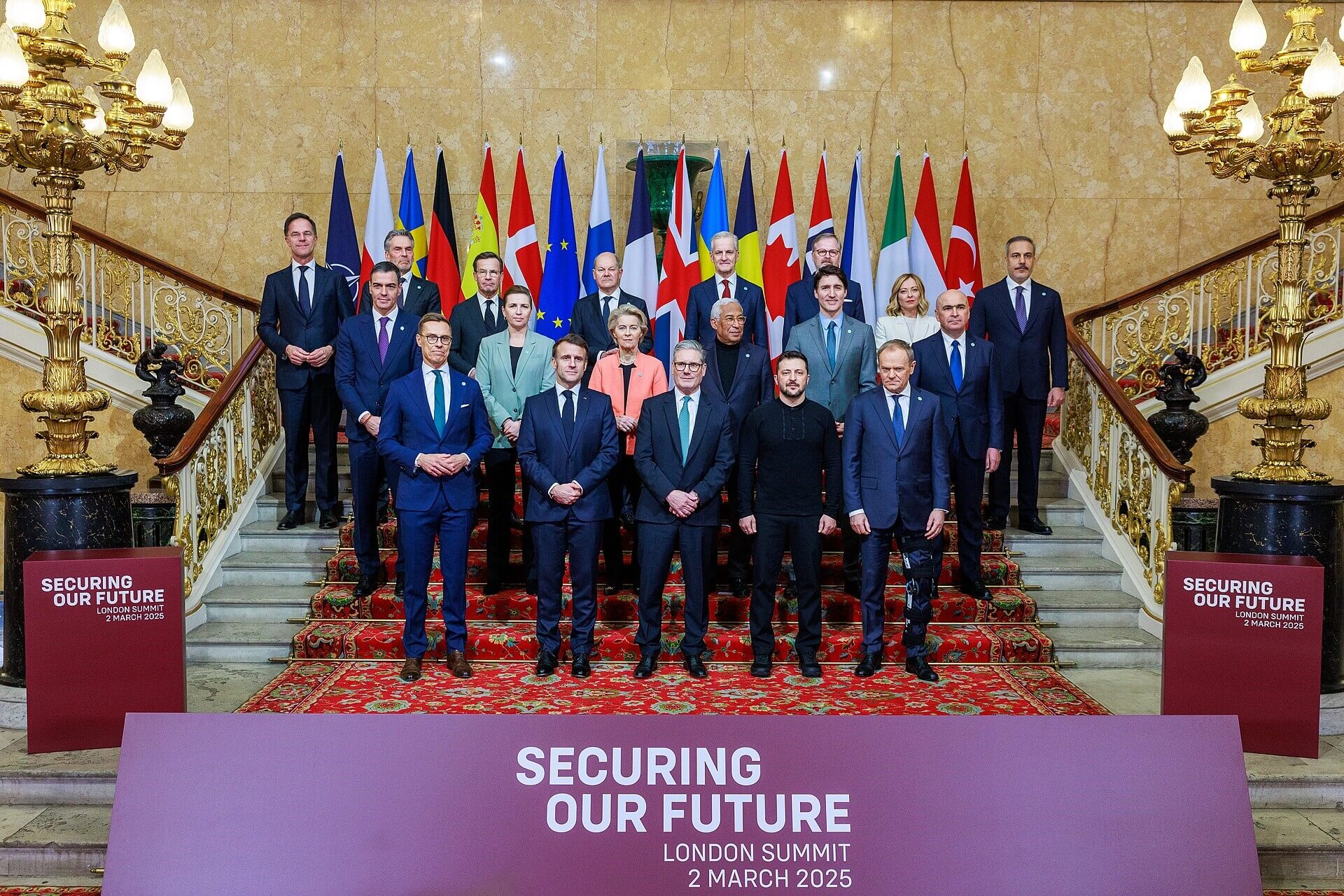
European equity indices are also holding up well, against a backdrop of still sluggish economic growth, largely due to the mild recession in Germany which has now lasted three years. A bottom nonetheless appears to have been reached in many business sectors. That said, the issue of public finances is also high on the agenda on this side of the Atlantic, with France once again making headlines following a failed restructuring programme. Whether, as planned, increased EU-wide government spending, under the umbrella of defence, kicks in during the coming quarters will largely determine the future economic growth path of the region – and of course the sustainability of public debt in the medium term.
Investment-wise, we continue to prefer corporate bonds to sovereign bonds, albeit recognising that spreads are currently much lower in Europe than in the US. We therefore favour solid US corporate bonds, all the while maintaining our hedges on the US dollar, should it weaken further against the euro. In the difficult current geopolitical climate, we remain strong advocates of maximum portfolio diversification (across all asset classes, worldwide) as a key risk-mitigating tool. The positive contribution to portfolio performance from non-traditional markets in recent weeks, particularly domestic Chinese equities, is provisional proof of this.
Important parts of the world are currently in turmoil and President Trump’s decrees (including those pertaining to the independence of the Fed, his attacks on the US judiciary system, the deployment of the National Guard in US cities to suppress protests, and his attempts to interfere in the policies of “friendly” nations) are a cause of genuine concern to us. Perhaps the situation will cool down without fuss but, all things considered, we do not believe that today is the time to be overly brave. “Better be safe than sorry” is our current motto. So do spread out your portfolio as much as possible!